




Paradyme Companies Founder and Chairman Ryan J. Garland believes real estate developers can play a larger role in making fitness, recovery and wellness services easier to access by designing them into the environments people already use.
Healthcare is often discussed in terms of clinicians, hospitals, technology and treatment.
Ryan J. Garland believes another part of the conversation deserves more attention: the physical environments where people live, work and spend their time.

As Founder and Chairman of Paradyme Companies, Garland has increasingly explored how fitness and wellness-oriented uses can be incorporated directly into real estate developments rather than treated as disconnected amenities.
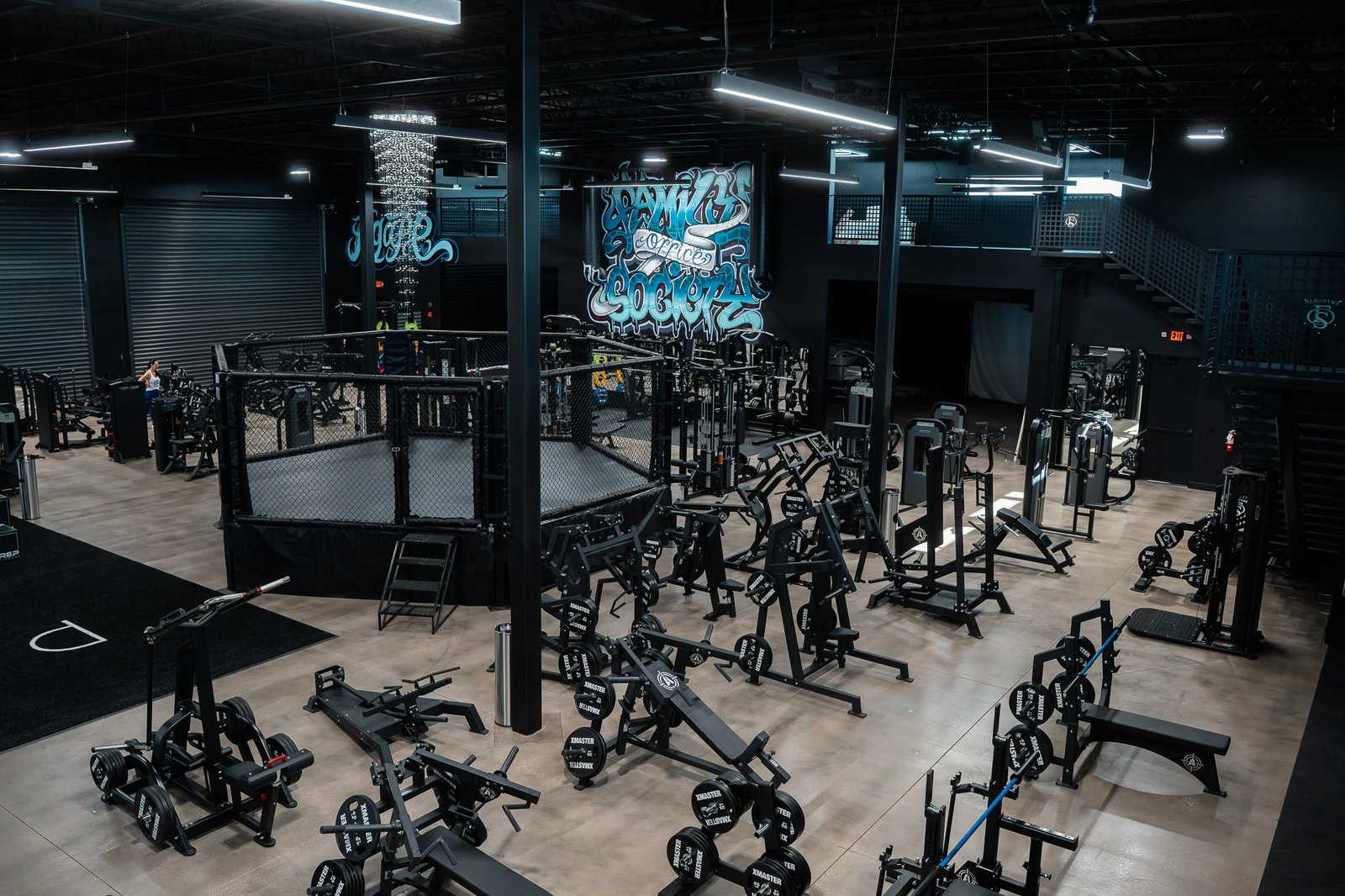
The idea has grown partly from Paradyme’s experience operating Family Office Society Gym in Lake Havasu City, Arizona, and is now influencing larger development concepts including Paradyme Flex in Goodlettsville, Tennessee.
Garland is careful about the limits of a developer’s role.
He does not position Paradyme as a healthcare provider, nor does he claim that real estate design can diagnose, treat or prevent medical conditions.
Instead, his focus is more practical: whether developers can create better physical environments for qualified fitness, recovery, wellness and potentially medical-service operators to serve customers.
“The developer’s role is to create the environment, infrastructure and access,” Garland said. “The professionals operating inside those spaces should determine the clinical or wellness services.”
That distinction is becoming increasingly important as consumers devote more attention to health, fitness, recovery and everyday wellbeing.
What Paradyme Learned From Operating a Gym
Paradyme’s interest in wellness did not begin as a theoretical development strategy.
It came through operations.
The company’s experience with Family Office Society Gym gave Garland a closer look at how consumers interact with fitness and wellness spaces on a recurring basis.
Unlike many traditional real estate uses, fitness can create frequent customer interaction.
Members may visit multiple times each week.
They develop routines around the property.
They form relationships with staff and other members.
And their perception of the space can be influenced by factors ranging from layout and accessibility to cleanliness, privacy and the broader atmosphere.
For Garland, that operating experience changed the way he thought about wellness as a component of real estate.
Rather than viewing a gym simply as a tenant filling commercial square footage, he began to see wellness as a use that can shape how people interact with an entire property.
That lesson is now influencing Paradyme’s larger projects.
Paradyme Flex Combines Storage and Wellness
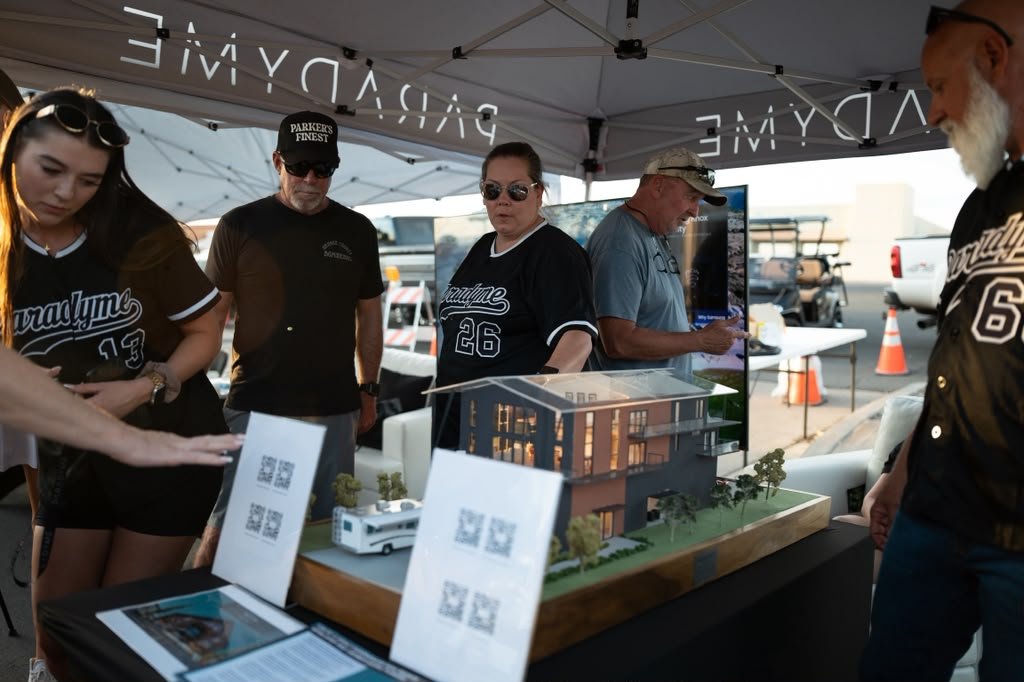
One example is Paradyme Flex, the company’s planned development in Goodlettsville.
The project is expected to include 80 large-format boat and RV storage units together with approximately 10,000 square feet dedicated to health and wellness uses.
At first glance, large-format storage and wellness may appear unrelated.
Paradyme sees a potential overlap in the customer.
The storage component is intended for people who may own boats, RVs, collector vehicles, business equipment or other large assets.
Many of those customers may already organize their lives around recreation, activity, performance and lifestyle.
Garland believes placing a wellness-oriented use within the same broader development can create a more complete customer environment.
The wellness portion is planned closer to the street, giving it visibility and accessibility separate from the storage component.
That could allow fitness, recovery or other wellness operators to serve both Paradyme customers and the surrounding community.
“The point is not to make every property everything to everyone,” Garland said. “It is to identify complementary uses that make sense for the customer and the location.”
Could Wellness Become Part of Everyday Real Estate?
Garland believes the broader opportunity lies in making wellness-oriented services easier to incorporate into daily routines.
Traditional real estate often separates activities into individual destinations.
People live in one place.
They work somewhere else.
They exercise at another location.
Recovery, wellness or healthcare services may require another trip altogether.
Paradyme is exploring whether certain developments can reduce that fragmentation.
That does not necessarily mean turning residential or commercial projects into healthcare facilities.
Instead, it can mean allocating space where qualified operators can provide relevant services closer to where people already spend time.
For developers, that raises a different design question.
Rather than asking only how many square feet can be leased, they can ask how the mix of uses affects customer behavior.
Will people visit more frequently?
Does one use support another?
Does the property become more convenient?
Does it encourage longer-term engagement with the development?
Those are real estate and operating questions rather than medical ones.
The Built Environment Can Influence Access
Garland believes access is one of the most practical ways real estate can contribute to the broader wellness ecosystem.
A service can only be used if people can reasonably reach it.
That means developers can influence accessibility through site selection, parking, visibility, circulation, hours of access and how different uses are arranged within a property.
The quality of the environment also matters.
Fitness and wellness operators may have different requirements for privacy, ventilation, utilities, acoustics, equipment, recovery areas and customer flow than a conventional office or retail tenant.
Understanding those requirements early can make the property more useful to the eventual operator.
Paradyme’s role, Garland says, is to think about those physical requirements during the development process instead of asking operators to retrofit a poorly suited space later.
That approach becomes particularly relevant if a project eventually includes a mix of fitness, recovery, wellness and medically supervised services.
Any clinical component, Garland emphasizes, would need to be designed and operated with the appropriate qualified healthcare professionals and regulatory requirements.
Wellness as More Than an Amenity
Wellness has traditionally been treated as an amenity in many real estate projects.
An apartment community might include a small fitness room.
A hotel may have a gym.
An office building might dedicate space to employee fitness.
Garland believes that in some projects, wellness can move beyond an amenity and become a more meaningful operating component.
The difference is intentionality.
A small gym added because buyers expect one is different from planning space around a professional operator, recurring customer visits and a clearly defined service offering.
That is part of the thinking behind Paradyme Flex.
The approximately 10,000-square-foot wellness component is not envisioned simply as a small room containing exercise equipment.
Paradyme is considering a broader environment capable of supporting fitness, recovery and wellness uses, with qualified operators responsible for the services delivered inside it.
This also introduces a different economic model.
Storage can provide longer-duration occupancy.
Wellness can generate recurring memberships or service relationships.
The two uses may create different patterns of activity and revenue within one development.
For Paradyme, the combination is an example of the company’s broader interest in hybrid real estate.
Paradyme’s Residential Projects Are Following a Similar Direction
Wellness is also being incorporated into Barn Caves, Paradyme’s planned residential development in Lake Havasu City.
The latest project plan includes 93 detached single-family residences built around oversized garages and recreational lifestyles, together with an approximately 43,000-square-foot health and wellness component.
The project is designed for residents whose lifestyles may revolve around boats, RVs, collector vehicles and outdoor recreation.
Paradyme’s inclusion of wellness reflects Garland’s view that those activities are increasingly connected.
A resident may want space for recreational equipment, convenient fitness options, recovery-oriented services and community amenities within the same development.
Again, Garland does not frame that as a healthcare intervention.
He frames it as a real estate response to changing consumer priorities.
The Opportunity for Developers and Healthcare Operators
The intersection between real estate and wellness could also create opportunities for greater collaboration between developers and qualified healthcare or wellness operators.
Developers understand land, entitlements, construction, financing and property operations.
Clinicians and wellness professionals understand service delivery, patient or client needs, equipment and applicable standards.
Garland believes the strongest projects will respect those distinctions rather than blur them.
A developer should not decide which medical treatments belong in a space.
Similarly, a healthcare operator may not want to manage the complexities of land development and construction.
Bringing the two areas of expertise together earlier could allow physical spaces to be designed around actual operational needs.
That can include everything from room configuration and utilities to parking, accessibility and customer flow.
For Garland, it comes back to a principle that appears throughout Paradyme’s development strategy: design around how the eventual user will actually interact with the property.
Real Estate as Part of a Larger Wellness Ecosystem
Paradyme Companies’ growing focus on wellness reflects a broader change in how Garland views real estate.
A development is not simply a collection of structures.
It is an environment that shapes how people move between different parts of their lives.
Housing affects recreation.
Recreation affects storage.
Storage can affect commercial use.
Fitness can influence how frequently people engage with a property.
And wellness services can become more accessible when they are placed closer to existing routines.
Garland believes developers who understand those connections may be able to create more useful properties.
But he also argues that the industry needs to remain disciplined about where its expertise ends.
“We can build environments that make access easier and allow great operators to do their jobs,” Garland said. “That does not make the developer the doctor, trainer or wellness professional.”
For Paradyme, that may be the most important distinction as the company expands its wellness strategy.
The opportunity is not to turn a real estate company into a healthcare company.
It is to recognize that the built environment is already part of the wellness ecosystem — and design it more intentionally around the professionals and people who use it.