






PORT HURON, Mich. — State health officials urged parents in several counties to vaccinate babies against measles ahead of schedule this spring as cases multiplied in Michigan. The outbreaks of the highly contagious virus — which can lead to brain swelling, deafness, and death — came as parents are opting school-age kids out of vaccinations at a record-high rate.
It’s a situation state officials have spent more than a decade trying to avoid. For years, they’ve been trying to make it harder for parents to send their kids to school unvaccinated.
But those efforts have backfired in places like St. Clair County, in Michigan’s conservative Thumb region. Remington Nevin, the county’s medical director, has declared “a new era of vaccine choice.” Local parents there can now bypass the usual protocols and get school vaccine waivers via email, days after they fill out a brief digital form.
State health officials aren’t fighting it.
In fact, Michigan’s health agency has been helping more than 30 counties move away from a state policy once credited with sharply reducing the number of parents who opted their kids out of shots.
In 2015, the state started requiring parents seeking waivers to first attend a vaccine education session, in person, at their local health department.
But in the post-covid era, local health officials say, the sessions became hostile, ineffective, and sometimes even unsafe for staff. One high school called police last fall over an escalating dispute with parents who refused to obtain a state-recognized waiver for their children, with a sheriff’s deputy warning the parents that they could face criminal charges.
In response, the state has helped create a hybrid waiver process for dozens of counties, allowing parents to take a brief vaccine education course online while still requiring they get their waivers signed in person. It’s part of a broader shift in strategy in a state that had some of the most polarizing and politically divisive covid restrictions.
At Michigan schools where only 30% to 40% of students are now vaccinated, it is “simply not possible to keep diseases like measles at bay,” said Natasha Bagdasarian, the state’s chief medical officer. “And when one of these measles cases ends up in a low-immunization community, that’s when the ember really has a chance to expand and become a wildfire.”


A Short-Lived Success Story
In 2014, Michigan had the fourth-highest vaccine waiver rate in the country.
Health officials suspected some parents were just signing waivers during the stress of school registration, not because of a deeply held conviction.
“‘Oops, I forgot to do this. I’m just going to sign a waiver and be done with it,’” said Norm Hess, executive director of the Michigan Association for Local Public Health. “That’s not really the way we want parents to make decisions on this issue.”
Around that time, national headlines were focused on a Disneyland-linked measles outbreak in which 131 people were infected. California cracked down, becoming the first state in decades to end nonmedical vaccine waivers.
With Republicans then in control of the Michigan Legislature and governor’s office, health officials found a side door. They created an administrative rule saying nonmedical waivers required certification by the local health department “that the individual received education on the risks of not receiving the vaccines being waived and the benefits of vaccination to the individual and the community.”
“We were not aware of the rule until the day it happened,” Suzanne Waltman, president of Michigan for Vaccine Choice, later told PBS News. “We thought it was a stealth move.”
At first, it seemed to work. Kindergarten waiver rates dropped by 32% in 2015. “Kids were protected more from these vaccine-preventable diseases,” Hess said.
But after that year, waiver rates started rebounding. When the pandemic hit five years later, immunization rates plunged.

‘An Unsafe Setting’ for Medical Staff
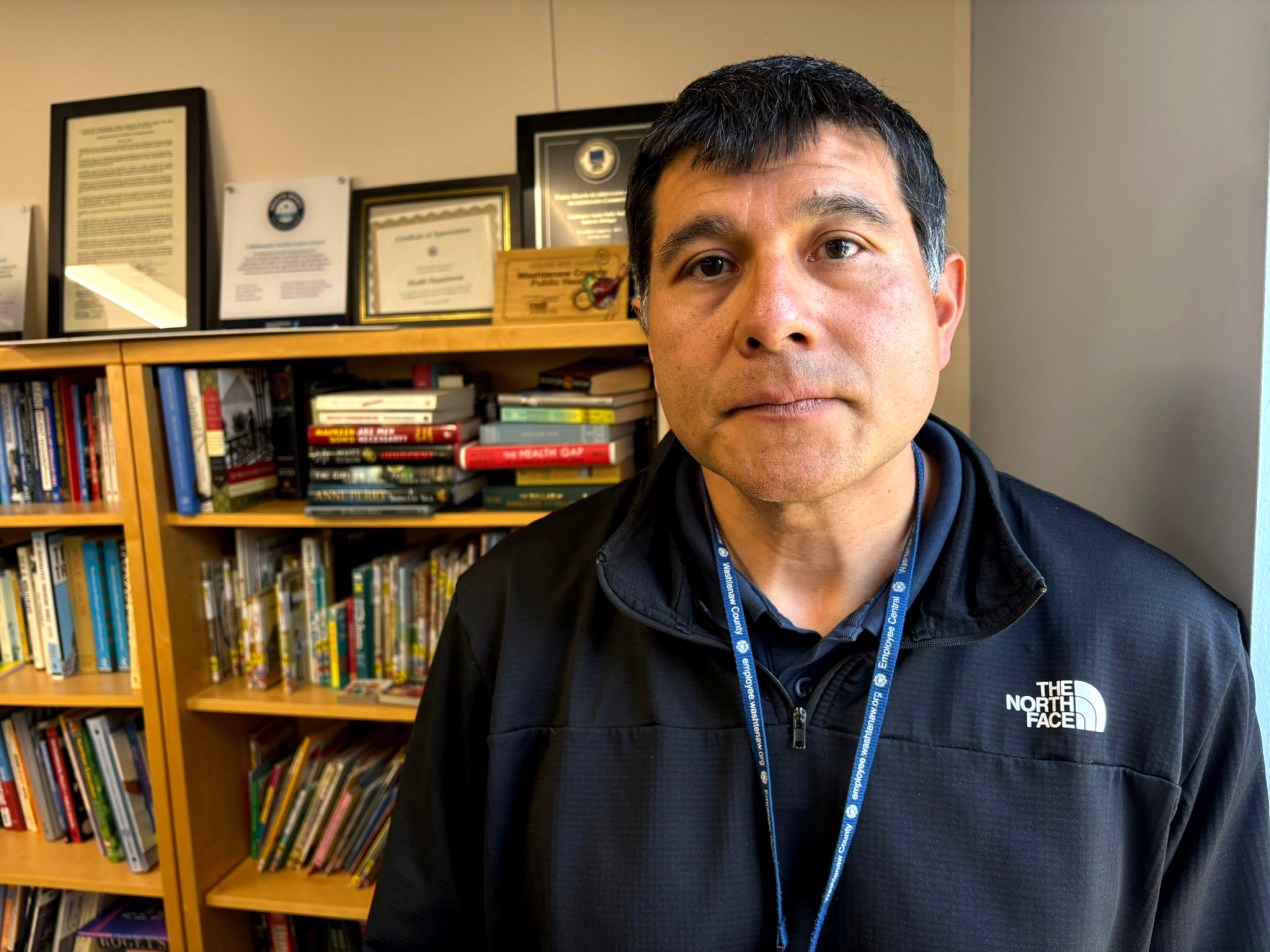
Juan Marquez is the medical director of a county where a measles outbreak sickened several people this spring, but even he wouldn’t want to do those in-person sessions again.
“It was really creating an unsafe setting, actually, for our nurses,” said Marquez, the medical director for two counties, Livingston and Washtenaw, just west of Detroit.
“Our nurses are just trying to do their job,” Marquez said. “And you can imagine, to have somebody yell at you or just say not nice things to your face and sit through that for hours is demoralizing.”
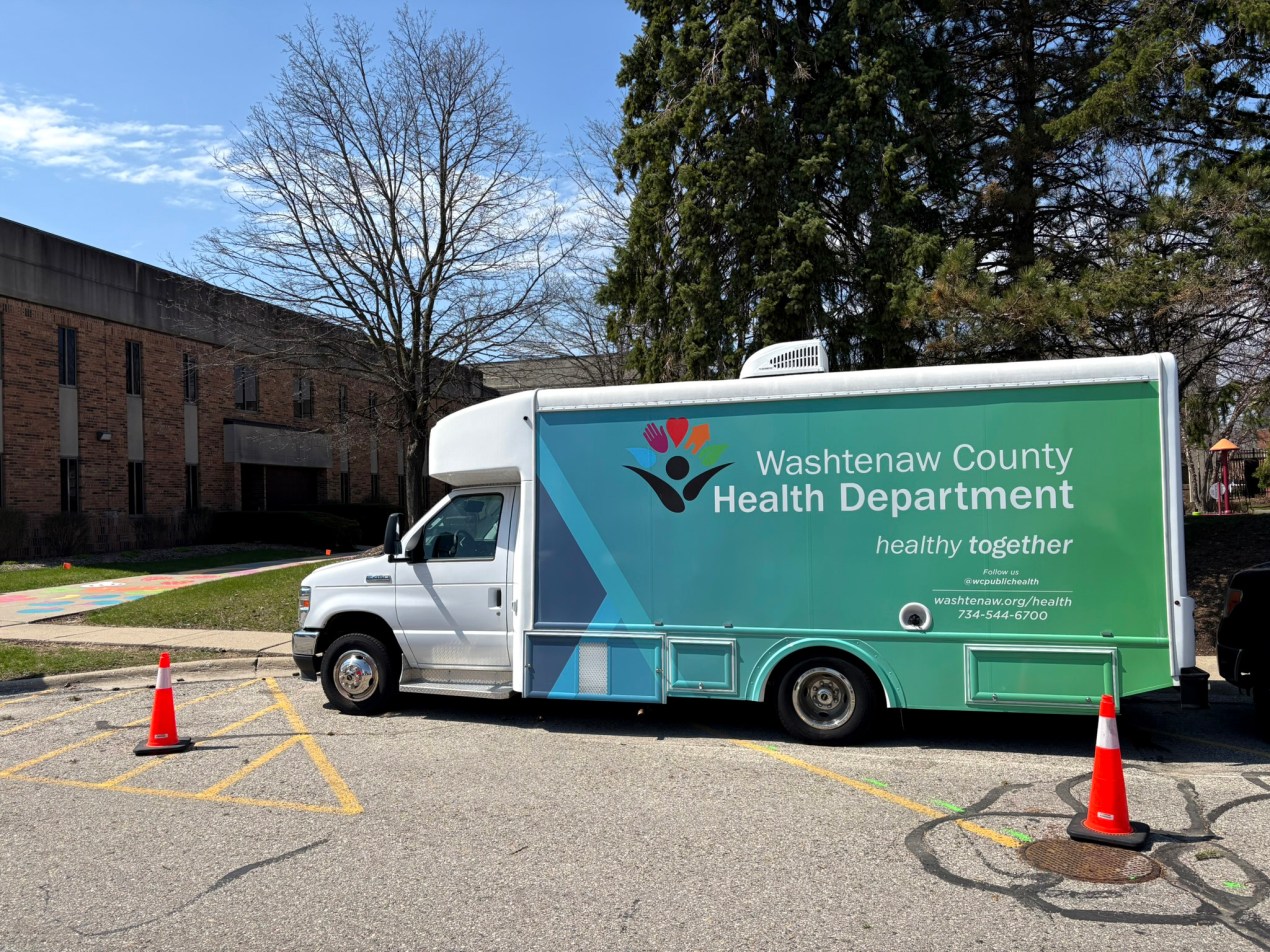
Washtenaw has had seven measles cases since March and is believed to be the source of an eighth case in a neighboring county. As of May 28, the state had a total of 14 cases this year.
Since the start of the pandemic, waiver requests in Michigan have been increasing.
Tensions over public health became especially high during the state’s covid lockdowns, which critics lambasted as too long and too strict. Republicans made it a campaign issue, and Donald Trump flipped the state in the 2024 presidential contest.
Some parents felt it was demeaning to have to go in for counseling sessions they perceived as judgmental.
Republican state Rep. Jennifer Wortz, who represents a district along the state’s southern border, recalled her session, speaking at a vaccine choice rally in Lansing last year. “I had a very negative experience there, simply because we made decisions as parents and did the research and made the choices that we felt were best for each one of our children.”
That resentment has also made it harder to do basic public health work, like contact tracing for measles cases, Marquez said.
Of the 10,000 vaccine waivers Marquez’s counties have given out in the past 10 years, he said, the education sessions changed the minds of maybe one or two people.
“If we’re not changing folks’ minds, can we do this in a safe way?” Marquez said. “So that was really the idea behind the hybrid model.”
The Workaround
At first, state immunizations director Ryan Malosh thought dropping the in-person requirement was a bad idea.
He was skeptical when Livingston County health officials said they wanted to replace in-person sessions with a 20-minute online course about the benefits of vaccines and the risks of vaccine-preventable diseases.
State health department staffers were worried that if the waiver process became more convenient, more people would get exemptions, which could lead to more outbreaks. And because parents could get a waiver from any local health department, people from across the state might start flooding Livingston County with requests.
“We were worried that this could be sort of a sinkhole,” Malosh said.
It wasn’t. Parents took the online course, then made an appointment at the health department to get their nonmedical waivers signed. Waiver rates increased in Livingston County, but at the same rate they were rising in the rest of the state.
So the state turned to the University of Michigan to create a standardized, online course that any county could use. Parents would go through a 20- to 30-minute course, answering questions about the content, and then be able to get their waivers signed at their local health department office.
Michael Rubyan, a public health associate professor at the university, worked with some 40 public health nurses from throughout the state to design it. They wanted it to be simple and fact-based: Here’s what you should know about these diseases. Here’s how vaccines work. And if there is an outbreak at your school, your kids may have to stay home if they’re not vaccinated.
No judgment. No pressure.
This needed to be a building block in a much longer relationship with local public health, the nurses said. And while this change alone probably won’t lead to a dramatic decrease in waivers, Malosh said, it may start to rebuild some trust. “That then opens the door for further conversations, which maybe then gets these folks vaccinated,” he said.
Hybrid May Not Be Enough
About a third of the state’s counties have adopted the hybrid approach, but the waiver system is still creating confusion and conflict.
Last fall, a dispute over the waiver process involving a St. Clair County family blew up into a local controversy, and school officials asked local law enforcement to get involved.
Although the family lived in St. Clair, the children attended high school in neighboring Macomb County. Macomb had already switched to the hybrid model, but the parents didn’t want to file the documents, because they didn’t want their children’s vaccination status to be known by local health officials at all.
The father, Andrew Eberly, said at a St. Clair County public health meeting that getting a certified waiver “forces parents like me to register personal health decisions” with an agency they don’t trust. (Eberly did not respond to multiple attempts to contact him via email, via phone, and at his home.)
At one point during the ongoing conflict, school officials asked the sheriff’s department to intervene. A deputy’s conversation with Eberly on Nov. 5 was captured in body-camera footage obtained by KFF Health News through a public records request.
The deputy described the counseling requirement as a set of “stupid hoops.”
“I know it’s super inconvenient to go into the health department, go through their stupid 10-minute class for them to tell you something you already know, to sign the waiver,” the deputy said.
But the deputy went on to warn Eberly that if they continued taking their kids to school, despite being repeatedly informed they couldn’t be enrolled without a state-recognized waiver, then they could be charged with contributing to the truancy of minors.
The clash became a local cause célèbre. Nevin, the St. Clair medical director, seized on it — and the state’s falling immunization rates — at a public health board meeting as proof that people who mistrust the state’s public health establishment “have sound reasons for doing so.”

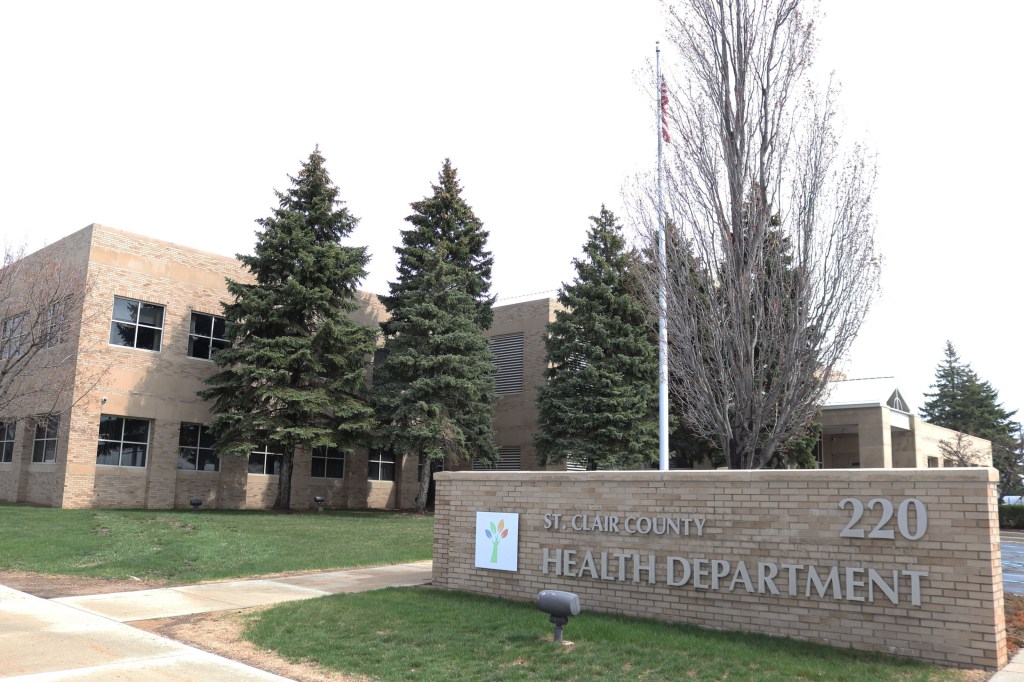
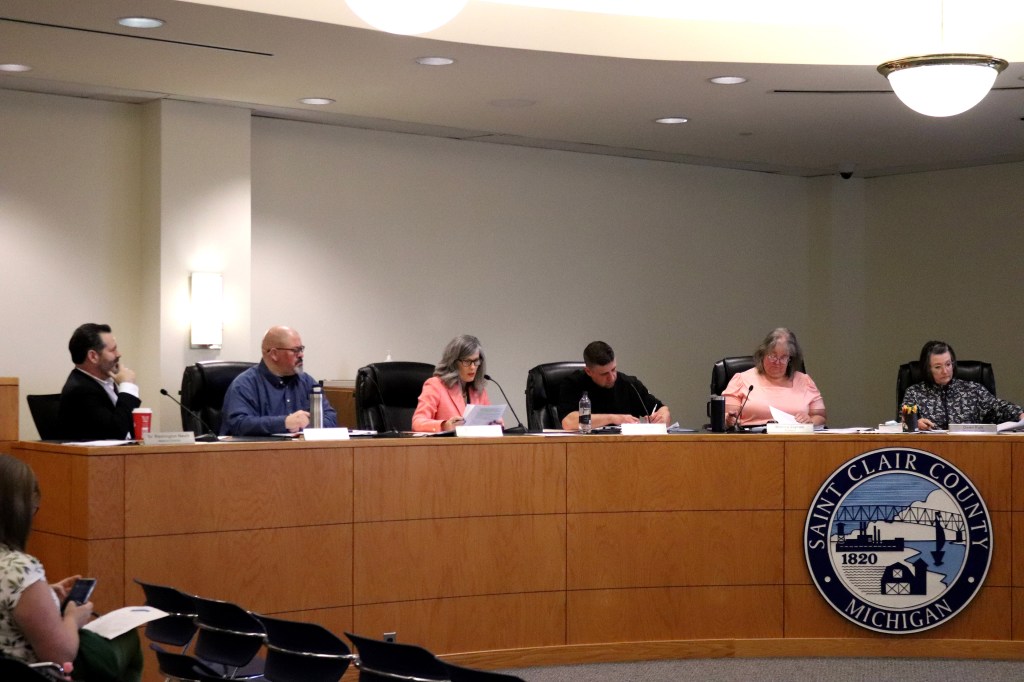
So far, state health officials have declined to engage in verbal or legal conflict with Nevin, who has drawn cheers and jeers at public meetings over his vaccine stance. He has also been the subject of internal workforce complaints at the county health department.
Instead, state officials are stressing the importance of parents understanding the risks that vaccine-preventable diseases, like measles, pose for their kids.
“Local health departments get to decide for themselves in a lot of ways what’s best for their residents,” Malosh said. “And I think that what’s best is to be as upfront as possible, to be as truthful as possible, and to try to give the best information that we have available to us to parents so that they can actually make an informed decision.”
