







Nature as a therapeutic intervention is a practice that dates back centuries but has only recently gained empirical legitimacy. From Shinrin-yoku (forest bathing) in Japan to green exercise initiatives in urban areas of the United States and Europe, nature-based approaches to health are gaining traction.
Mental health disorders, including anxiety, depression, and stress-related conditions, are among the leading causes of disability worldwide. According to the World Health Organization, depression alone affects more than 280 million people globally. In the United States, the Centers for Disease Control and Prevention reports increasing rates of mental distress among adults and adolescents, a trend exacerbated by the COVID-19 pandemic and its aftermath. As a result, health professionals are considering complementary interventions that are accessible, low cost, and sustainable. A growing body of scientific literature supports the claim that time spent in natural environments, whether forests, parks, mountains, gardens, or coastal areas, positively affects mental health.
Our recent research adds to this body of literature. In a meta-analysis of 30 years of existing research in this area, we found that spending time outdoors, even in short stretches, is particularly helpful for adults dealing with mental illness or mental distress. As little as 10 minutes outside was enough to improve adults’ mental health and reduce distress. Adults navigating diagnosed mental illness, as well as those working through more mild symptoms of depression or anxiety, were likely to report reduction in symptoms after only a short time outdoors. These adults were likely to benefit from time outdoors regardless of the activity they were doing (walking, sitting, gardening, etc.) or the kind of natural setting they were in (urban green space, forest, or wilderness area).
These findings from our research suggest that healthcare practitioners should consider prescribing time outdoors to patients. This can be a vital tool for healthcare providers to improve patients’ mental health, increase their physical activity, reduce health disparities, and promote well-being. When prescribing time outdoors to patients, healthcare practitioners will need to assist patients in identifying green spaces near their homes or work and help them to consider any barriers to access (such as transportation issues, costs, and safety).
While it is critical for healthcare practitioners to prescribe physical activity for both physical and mental health, most healthcare practitioners do not consider prescribing nature to patients when it might benefit them. This is a missed opportunity. As you provide activity and exercise recommendations to patients and clients, consider also prescribing time outdoors to those who are navigating stress or mental distress. As research demonstrates, even small doses of time outdoors will help these individuals feel better.
Joanna Bettmann Schaefer, PhD, LCSW, is a professor of social work at the University of Utah. She received her BA with honors from Dartmouth College, MSW from the University of Utah, and PhD from Smith College School for Social Work. Dr. Schaefer has received numerous honors, including the 2025 Rosalind Franklin Society Special Award in Science, the 2025 Eagle Award from the Outdoor Behavioral Healthcare Council at the National Association for Therapeutic Schools and Programs, the 2023 Betty van der Smitten Distinguished Researcher Award from the Association for Experiential Education, and the 2019 Council on Social Work Education’s Scholarship for Harvard Institutes of Higher Education. Dr. Schaefer’s research focuses on the outcomes of nature-based interventions to improve mental health. She is a co-leader of Nature & Human Health – Utah.

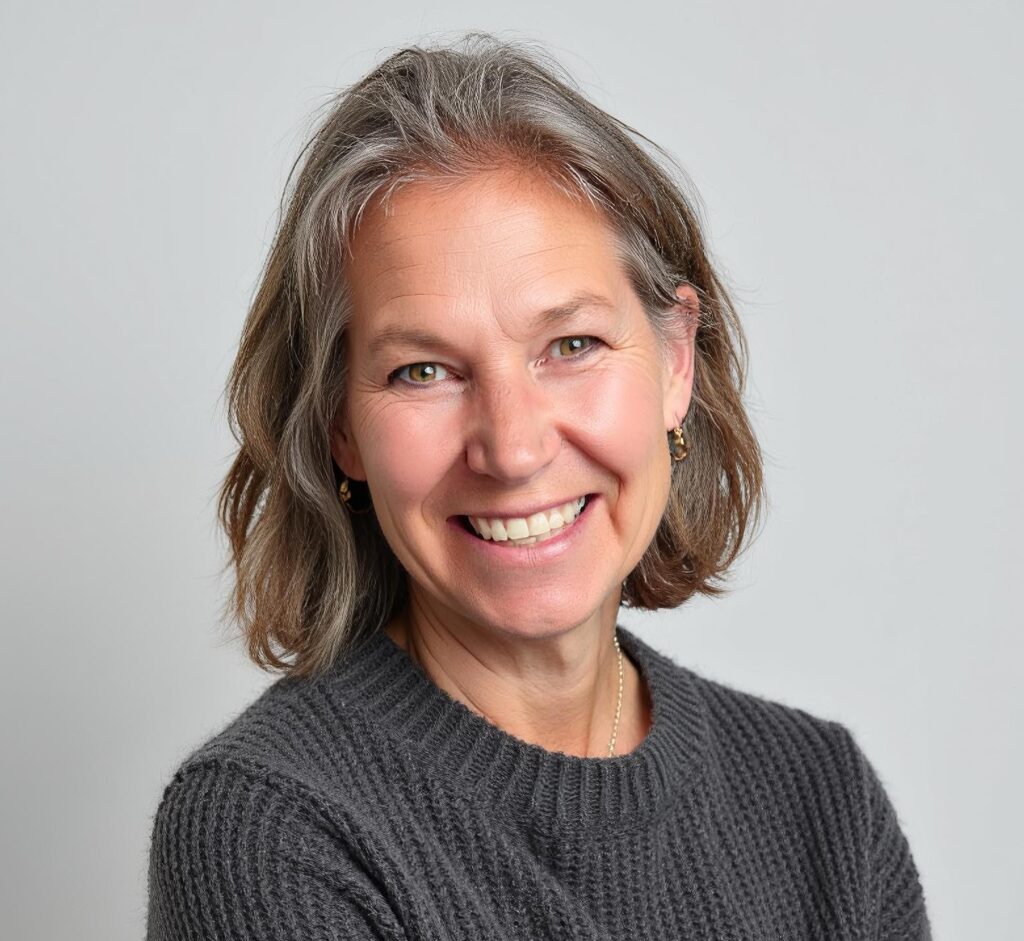
Dorothy “Dart” Schmalz, PhD, is professor and chair in the Department of Parks, Recreation, and Tourism in the College of Health at the University of Utah. She earned her PhD from Penn State University, worked as a Research Associate for the Childhood Obesity Research Lab at Penn State, and as associate professor at Clemson University prior to coming to the University of Utah. Her research has focused on the effects of stigma on the adoption of physical activity and eating behaviors but has recently turned to how nature can impact health and wellbeing. In 2025, she was elected to the Fellows of The Academy of Leisure Science. In addition to her academic appointment. Dart is co-leader of Nature & Human Health-Utah, a research/practice collaborative focused on growing our understanding of how nature affects health, and ways to increase nature exposure as a healthcare tool.


