Close Menu
Health Care Today
  • Home
  • News
  • Fitness
  • Nutrition
  • Skin Care
  • Women’s Health
  • More
    • Mental Well-Being
    • Sexual Health
    • Press Release
    • Editor’s Picks
What's On
TepoFlex® biocontainers from Meissner now support freeze and thaw workflows

TepoFlex® biocontainers from Meissner now support freeze and thaw workflows

February 2, 2026
2-day oatmeal diet may help reduce LDL levels by 10%

2-day oatmeal diet may help reduce LDL levels by 10%

February 1, 2026
Why ‘just get more sleep’ doesn’t work

Why ‘just get more sleep’ doesn’t work

January 31, 2026
Loss of gray matter may explain cognitive problems

Loss of gray matter may explain cognitive problems

January 31, 2026
Experts advise against aspirin for cancer prevention in older adults

Experts advise against aspirin for cancer prevention in older adults

January 30, 2026
Facebook X (Twitter) Instagram
Health Care Today
  • Home
  • News
  • Fitness
  • Nutrition
  • Skin Care
  • Women’s Health
  • More
    • Mental Well-Being
    • Sexual Health
    • Press Release
    • Editor’s Picks
Subscribe
Health Care Today
Home » Rethinking Collagen This January: What the Science Actually Says
Editor's Picks

Rethinking Collagen This January: What the Science Actually Says

staffBy staffJanuary 9, 2026
Facebook Twitter Pinterest LinkedIn Email Telegram WhatsApp Copy Link
Rethinking Collagen This January: What the Science Actually Says


January often marks a return to healthier routines for people across the UK, particularly after the excesses of the festive season. Concerns around skin condition, sustained energy, and long-term wellbeing tend to surface early in the year. Despite its popularity, collagen remains one of the most misunderstood supplements in this space.

UK-based supplement company Supp believes that understanding should start with evidence, not trends. Co-founded by biomedical scientist Olivia Buckley, the brand takes a formulation-first approach grounded in how nutrients are absorbed and utilised by the body.

“Collagen is often marketed as a topical fix,” Buckley explains. “But collagen molecules are too large to penetrate the skin barrier. Creams can hydrate the surface, but they do not deliver collagen into the dermis where structure and elasticity are determined. Supporting collagen from within is where the real science sits.”

From around the age of 30, the body’s natural collagen production begins to decrease. Winter conditions can further influence skin health, as colder temperatures and seasonal behaviours may affect hydration and overall skin resilience.

Scientific research indicates that hydrolysed collagen peptides consumed orally are absorbed into the bloodstream as specific amino acid sequences. These peptides may then contribute to the body’s internal collagen-building processes.

“Your body makes collagen from amino acids, but it cannot do this without vitamin C,” Buckley adds. “Vitamin C is a required cofactor for collagen formation. If levels are low, collagen production slows, regardless of how much protein you consume.”

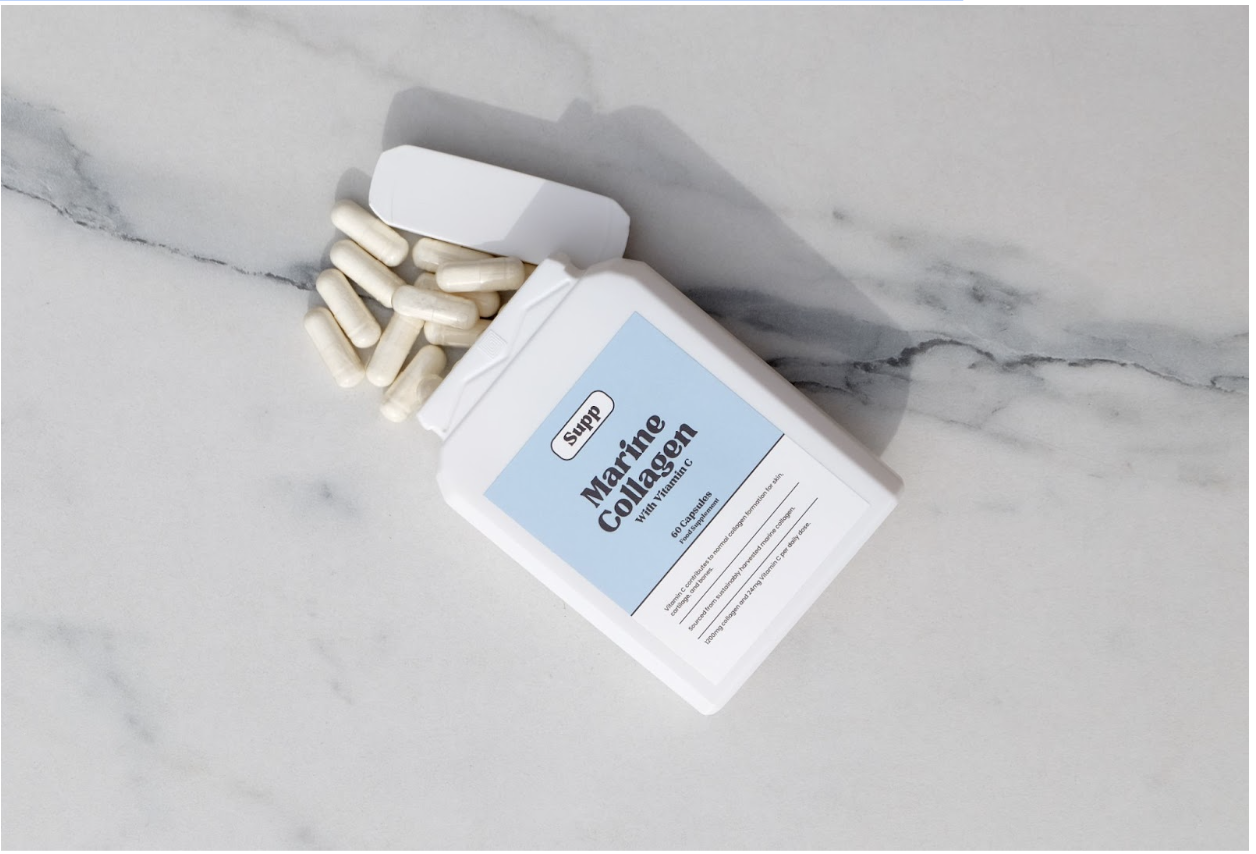
Supp’s Marine Collagen supplement provides 1,200 mg of hydrolysed marine collagen peptides per serving, sourced sustainably and combined with vitamin C to support normal collagen formation.

Clinical trials suggest that consistent use of this type of formulation may support modest improvements in skin hydration and elasticity, particularly among adults over 30 when combined with balanced nutrition and lifestyle habits.

“Our philosophy is food first, supplementation second,” says Buckley. “A diet rich in quality protein alongside vitamin C rich fruits and vegetables lays the foundation. Supplements should support that base, not replace it.”

Manufactured in the UK to GMP standards, Supp’s Marine Collagen is available in capsule form, offering a convenient option for those who prefer not to use powders. The supplement is gluten free, dairy free, caffeine free, and non GMO.

“At the start of the year, people want routines that are realistic,” Buckley explains. “Consistency matters far more than extremes. Collagen works best when taken daily, alongside good nutrition, hydration, and sleep.”

For more information, visit https://supp.store

 

Share. Facebook Twitter Pinterest LinkedIn Tumblr Email

Related Articles

TepoFlex® biocontainers from Meissner now support freeze and thaw workflows

TepoFlex® biocontainers from Meissner now support freeze and thaw workflows

February 2, 2026
From Firefighting to Strategy: What Struggling SMEs Really Need

From Firefighting to Strategy: What Struggling SMEs Really Need

December 25, 2025
Fiore Aesthetics Recognised at the Global Excellence Awards as Central London’s Most Welcoming Clinic

Fiore Aesthetics Recognised at the Global Excellence Awards as Central London’s Most Welcoming Clinic

December 22, 2025
Top Articles
Ways by Which Your Partner Impacts Your Life: Therapist Explains

Ways by Which Your Partner Impacts Your Life: Therapist Explains

January 8, 2020
Mobile Calls Associated With Risk of High Blood Pressure

Mobile Calls Associated With Risk of High Blood Pressure

January 6, 2020
Review: 7 Future Fashion Trends Shaping the Future of Fashion

Review: 7 Future Fashion Trends Shaping the Future of Fashion

January 10, 2020
TepoFlex® biocontainers from Meissner now support freeze and thaw workflows

TepoFlex® biocontainers from Meissner now support freeze and thaw workflows

February 2, 2026
Average Mobile Data Usage Now Exceeds 10GB Per Month

Average Mobile Data Usage Now Exceeds 10GB Per Month

January 5, 2020
Don't Miss
2 or more drinks a day linked to 91% higher risk
News

2 or more drinks a day linked to 91% higher risk

January 29, 2026

Share on PinterestHeavy drinking has been linked to numerous health problems, including heart and liver…

Low vitamin D may raise risk by 33%

Low vitamin D may raise risk by 33%

January 29, 2026
Night owls face higher risk, study says

Night owls face higher risk, study says

January 28, 2026
UK, other European countries lose measles elimination status

UK, other European countries lose measles elimination status

January 28, 2026
  • Privacy Policy
  • Terms of use
  • Contact
© 2026 Health Care Today. All Rights Reserved.

Type above and press Enter to search. Press Esc to cancel.